Research and Development
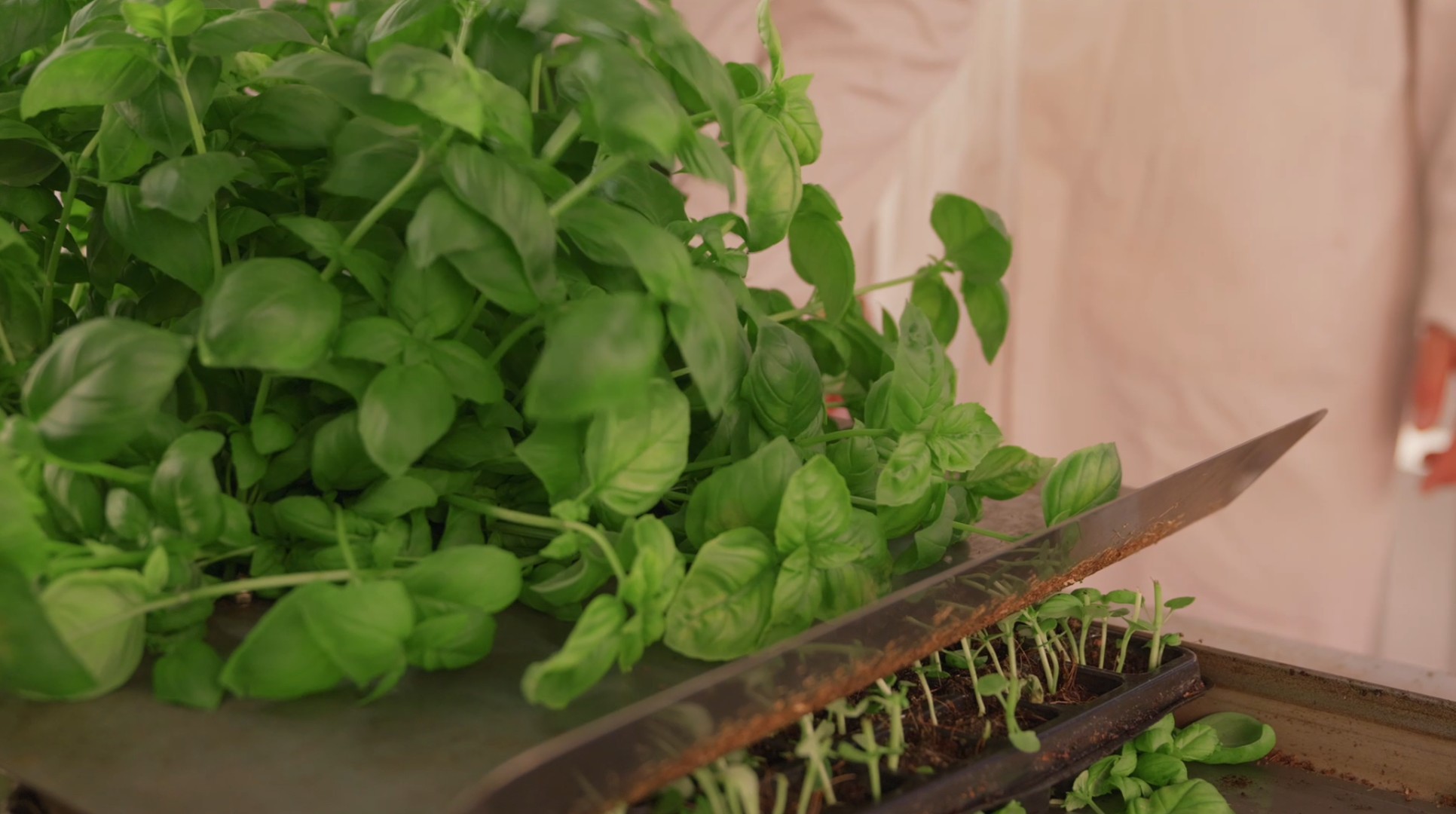
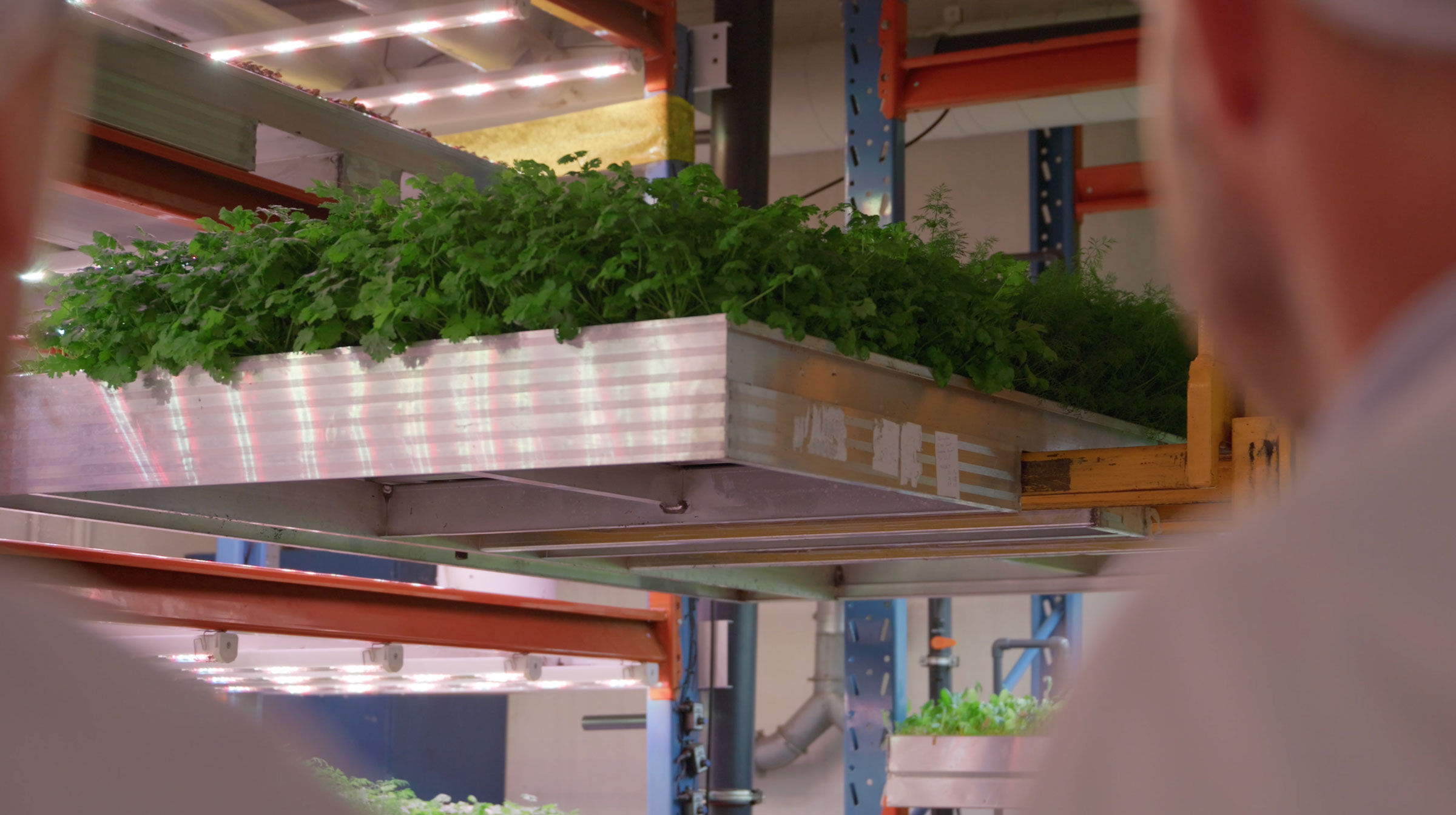
Before embarking on the large farm, we spent two years testing. We built a test center in Odense - Denmark's horticultural hub - where we thoroughly examined how herbs and greens react when we adjust light, water, nutrients, and climate. We had one goal here: to understand the plants so well that we can grow them more precisely, more consistently, and with better taste.
Gardener knowledge combined with AI
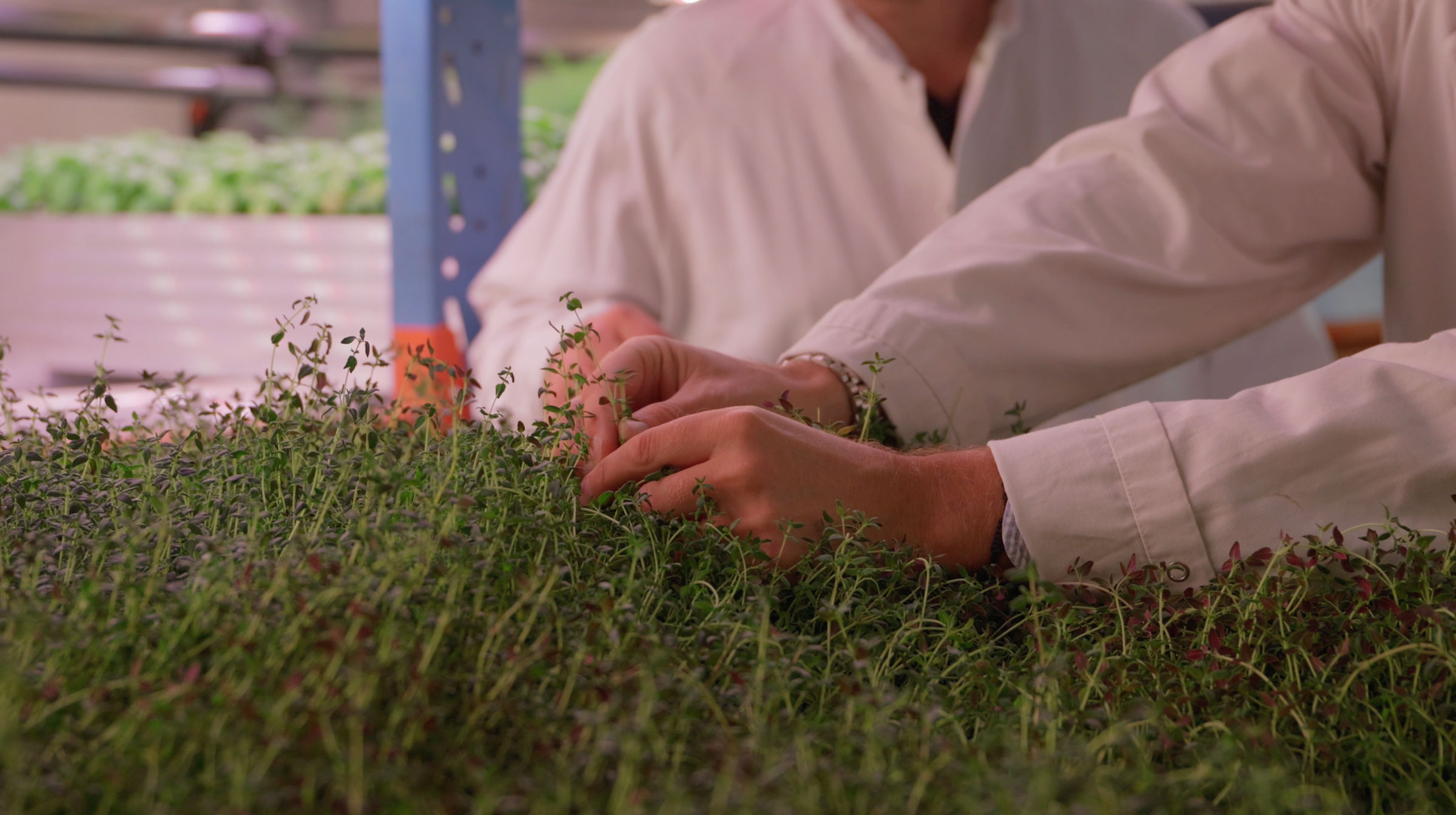
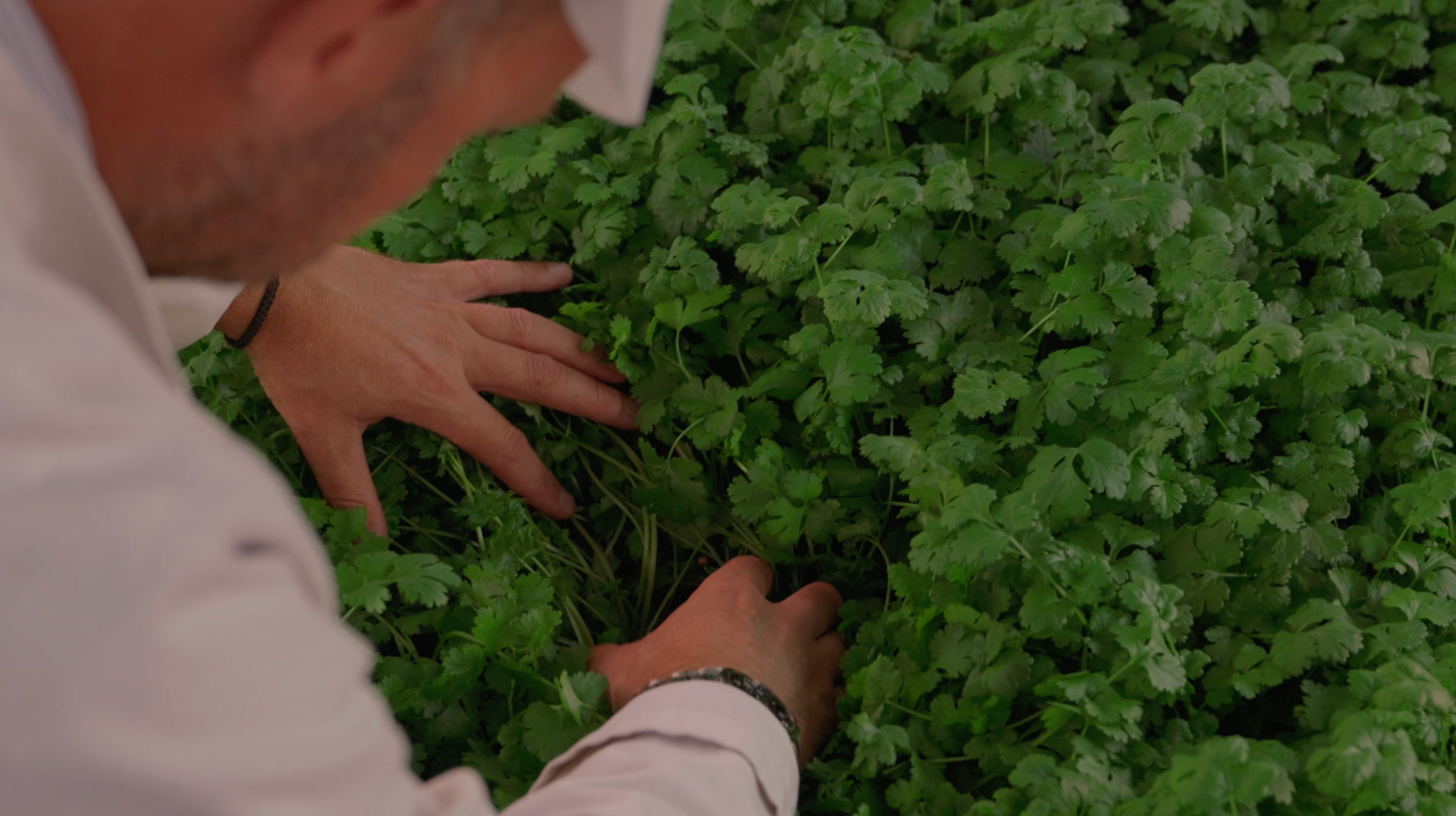
Our research builds on the foundation of traditional, solid cultivationknowledge, which we merge with the potential that lies in data and AI. The test center is filled with sensors that monitor CO₂, water, nutrients, light, temperature, and yield. This provides us with a detailed picture of what happens to the plant when we tweak even the smallest elements of the recipe. However, despite measuring everything, taste always has the final say. We taste our way to the best result and test it with chefs before a recipe is allowed to progress to the market.
Herbs can become medicine (again)
Herbs are not just tasty. They can be packed with beneficial substances such as vitamins, minerals, antioxidants, polyphenols, and other bioactive compounds. Yet, we often lose some of that value during cultivation, transport, and storage - long before the raw material reaches the plate.
At CleverGrown, we believe that plants and herbs can again take a larger role as a kind of “medicine” in everyday life - as a natural part of what we eat, as dietary supplements, or creams. Therefore, we are planning a new R&D department with a special focus on how cultivation methods, light, and nutrients can affect the plants' content of beneficial substances. The goal is simple: to grow herbs that taste better, are more stable - and can be beneficial for those who use them.